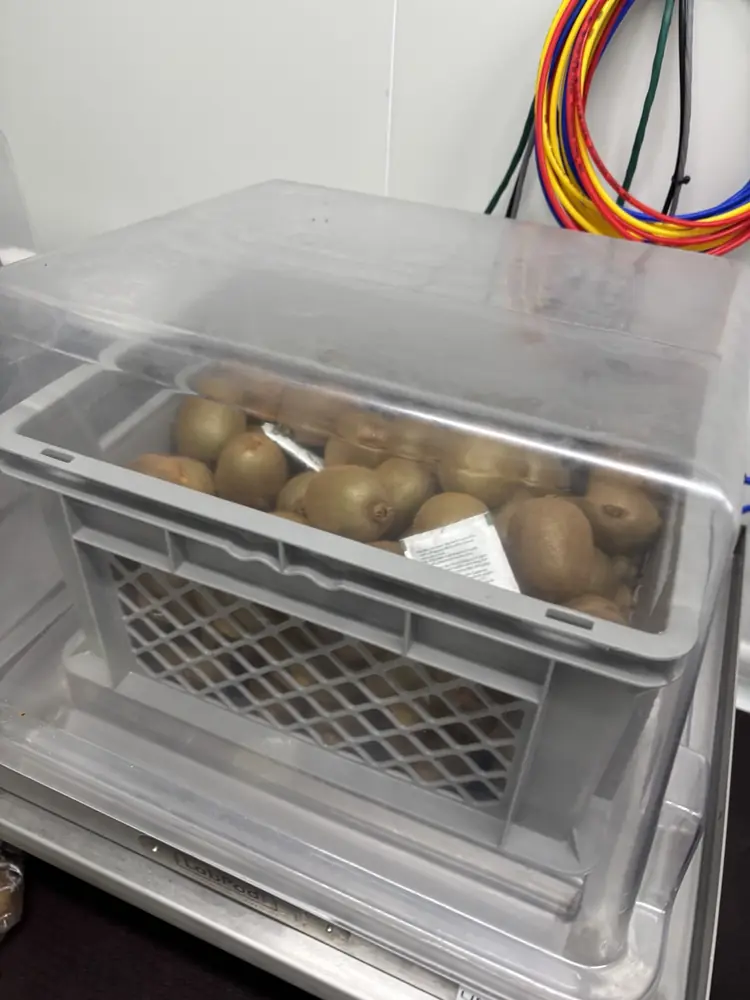
The research activity of the Laboratory of Pomology combines experimental field and laboratory research and is organized in the following areas.
Varieties and rootstocks
- Evaluation of varieties and rootstocks of various fruit tree species.
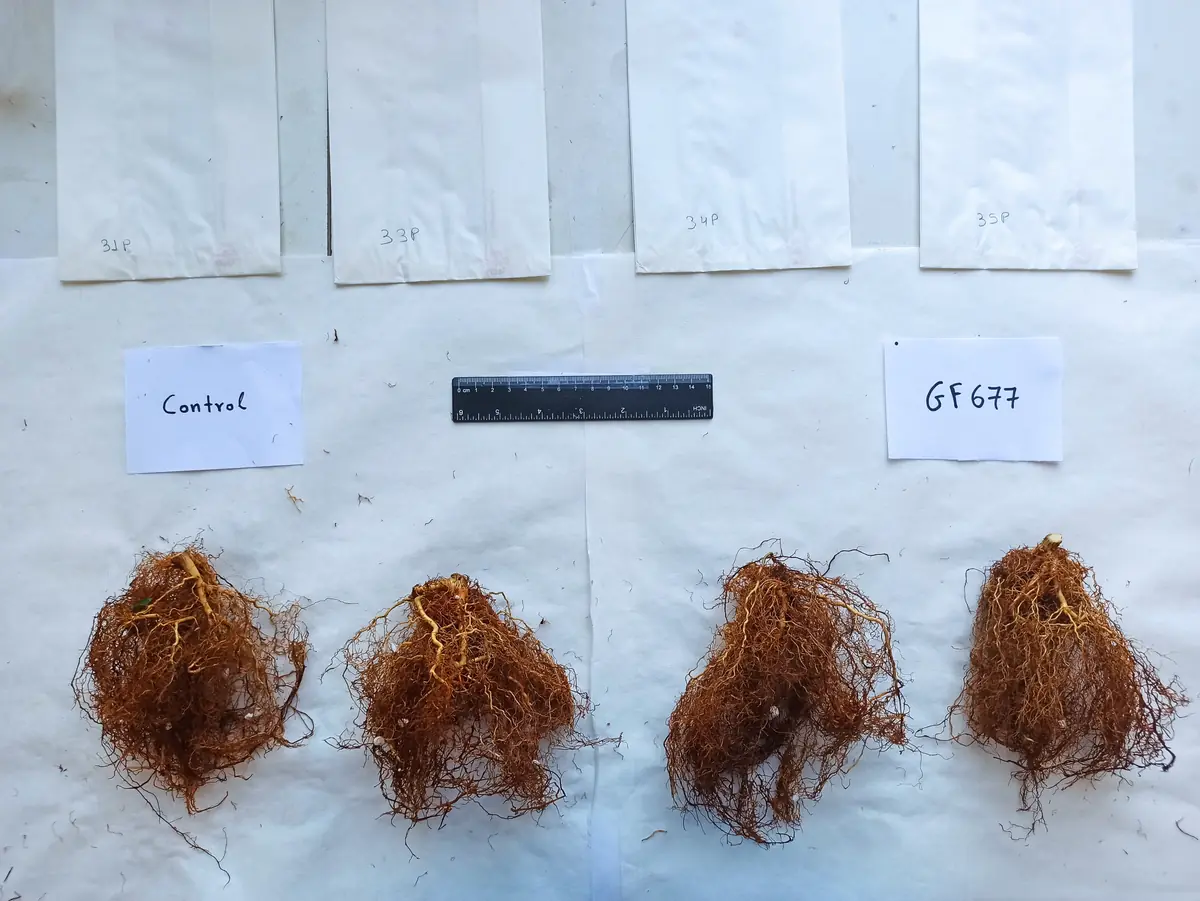
Abiotic stress
- Study of abiotic stresses (water stress, salinity, nutrient deficiencies and toxicities of inorganic elements, frost damage, high temperatures, soil waterlogging/flooding) and methods to limit damage in fruit tree cultivation.
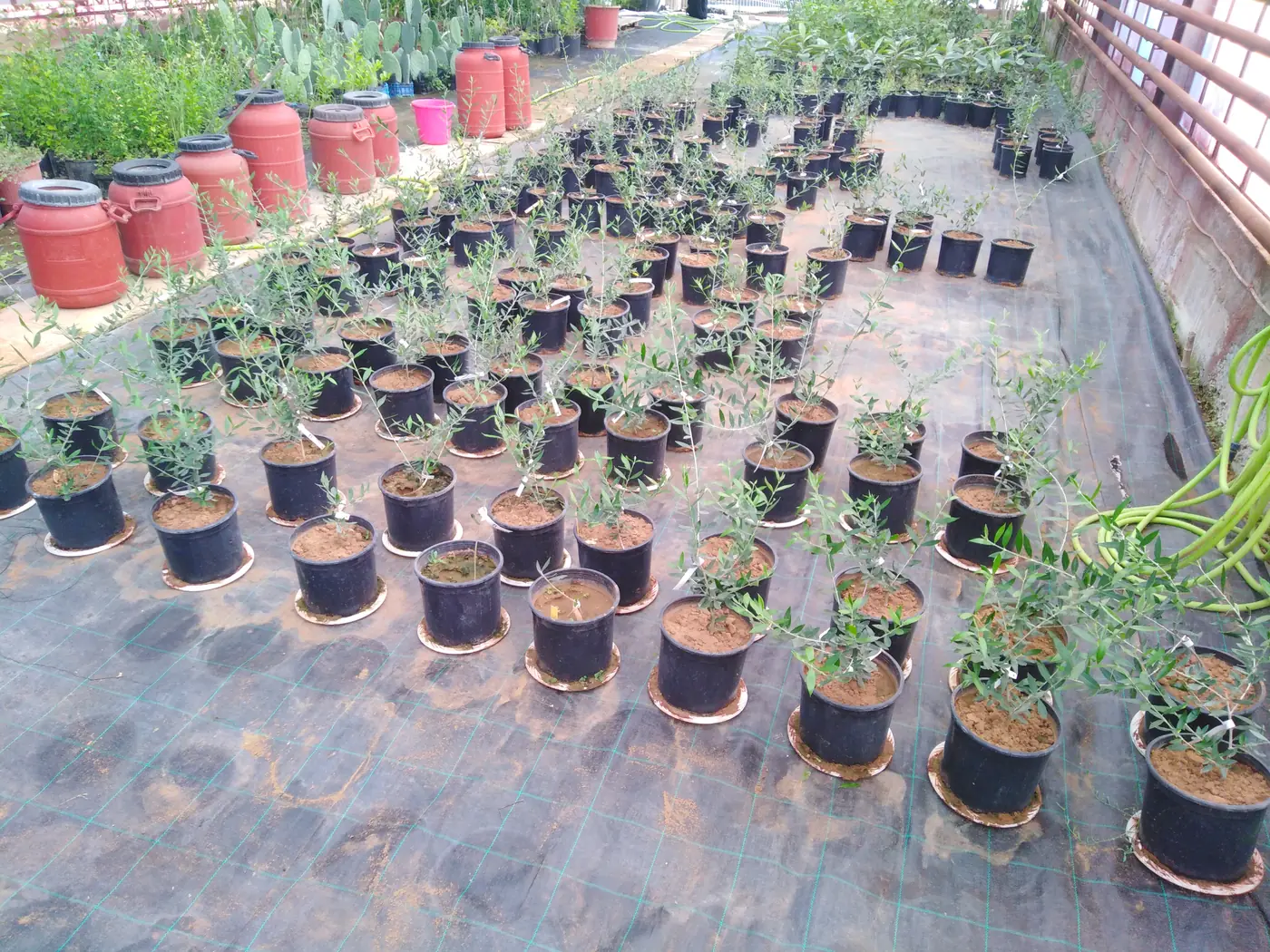
Nutrition, fertilization and water relations
- Mineral nutrition, fertilization strategies, and water use in fruit tree production.
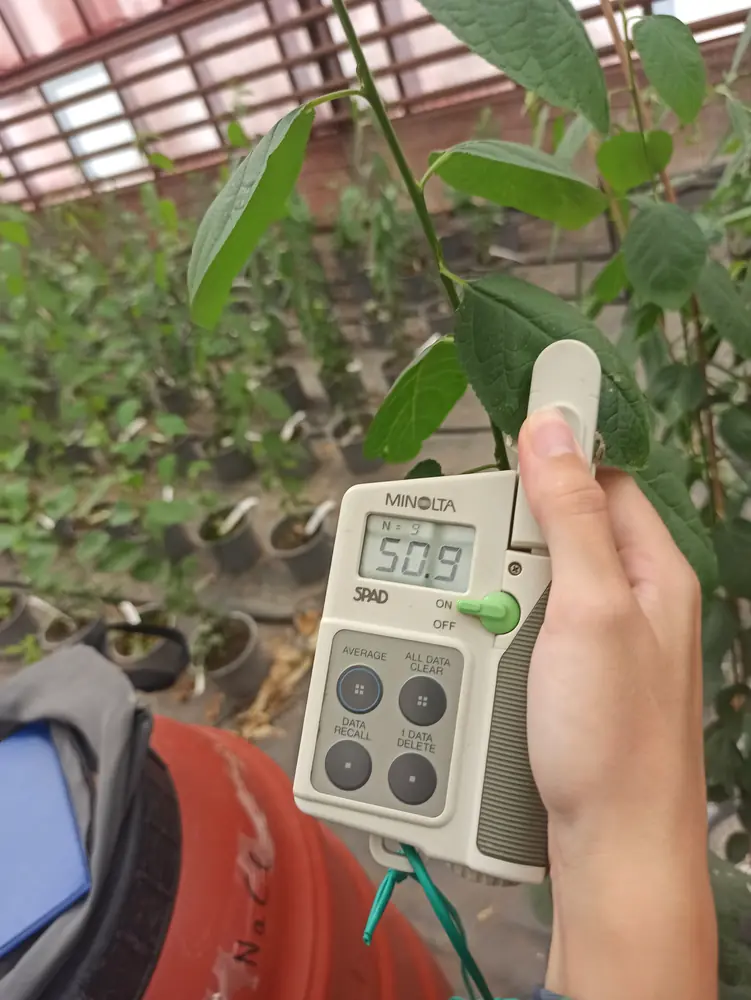
Physiology and cultivation practices
- Tree growth physiology, photosynthesis, and carbohydrate partitioning.
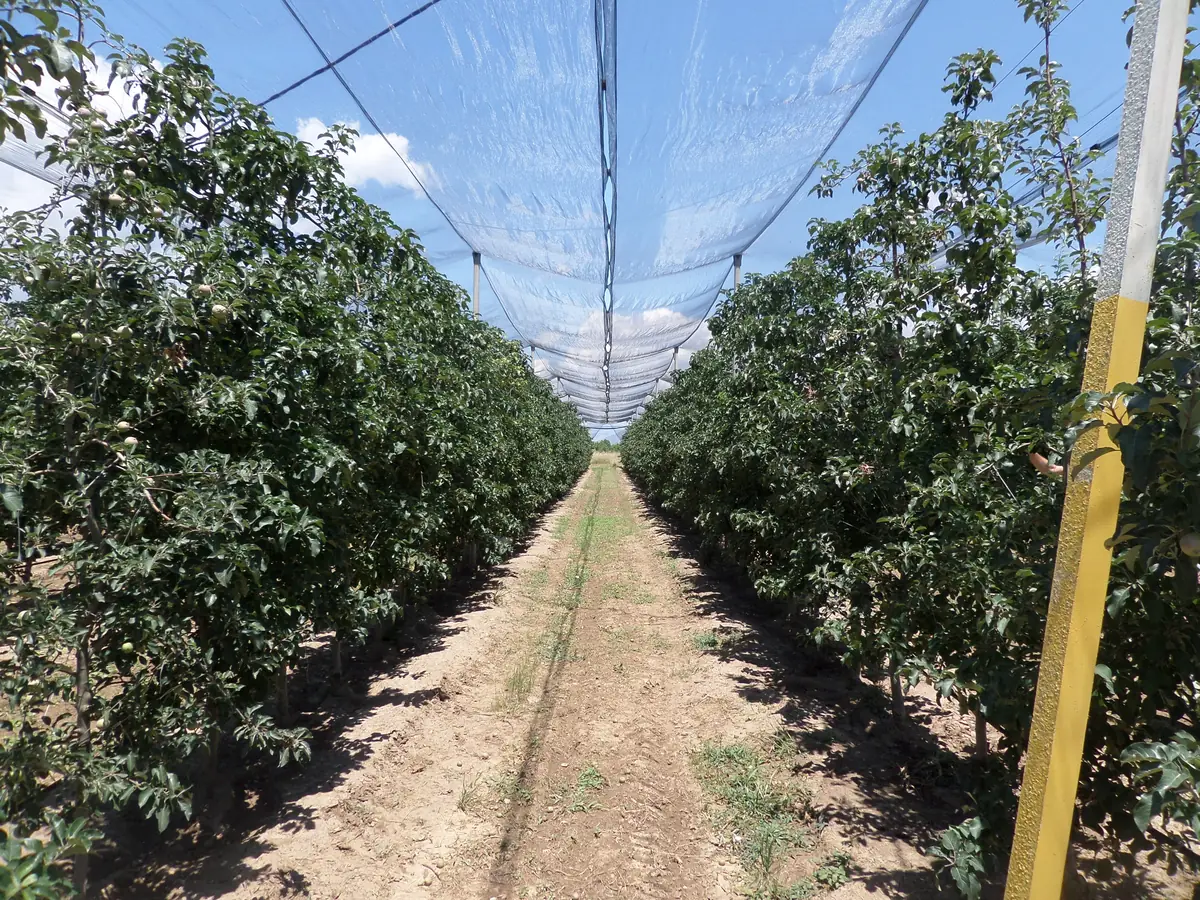
- Orchard design, training systems, and agronomic management practices.
Propagation and nursery material
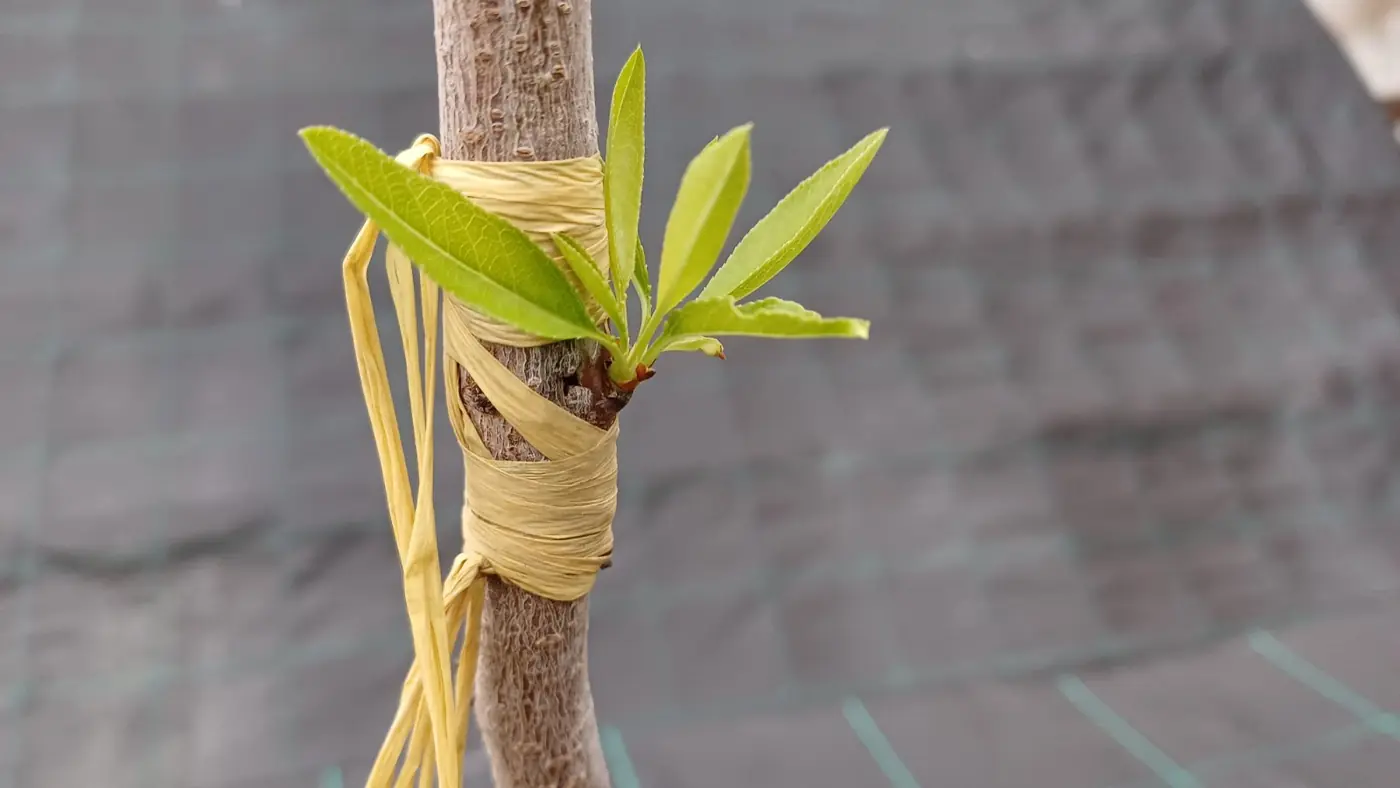
- Tree propagation and nursery material production using conventional methods as well as tissue culture (in vitro).
Ripening, harvest and postharvest handling
- Fruit ripening physiology and biochemistry, and optimisation of harvest timing.
- Pre- and postharvest handling practices affecting the quality, nutritional value, and shelf life of fruits in storage facilities, as well as during their transportation and distribution through the supply chain for domestic and international markets.
- Use of Dynamic Controlled Atmospheres during storage of climacteric fruits, aiming to extend their postharvest life.
- Investigation of appropriate storage conditions (temperature, packaging type, edible coatings, use of modified or controlled atmospheres, etc.), aiming to extend storage duration while maintaining fruit quality and nutritional value.